The Contract Lifecycle: From Draft to Archive
A contract is a document that moves through stages, from draft to active to renewal, and managing it by email and shared folders loses the trail. How to manage a contract as a lifecycle.
The Contract Lifecycle: From Draft to Archive
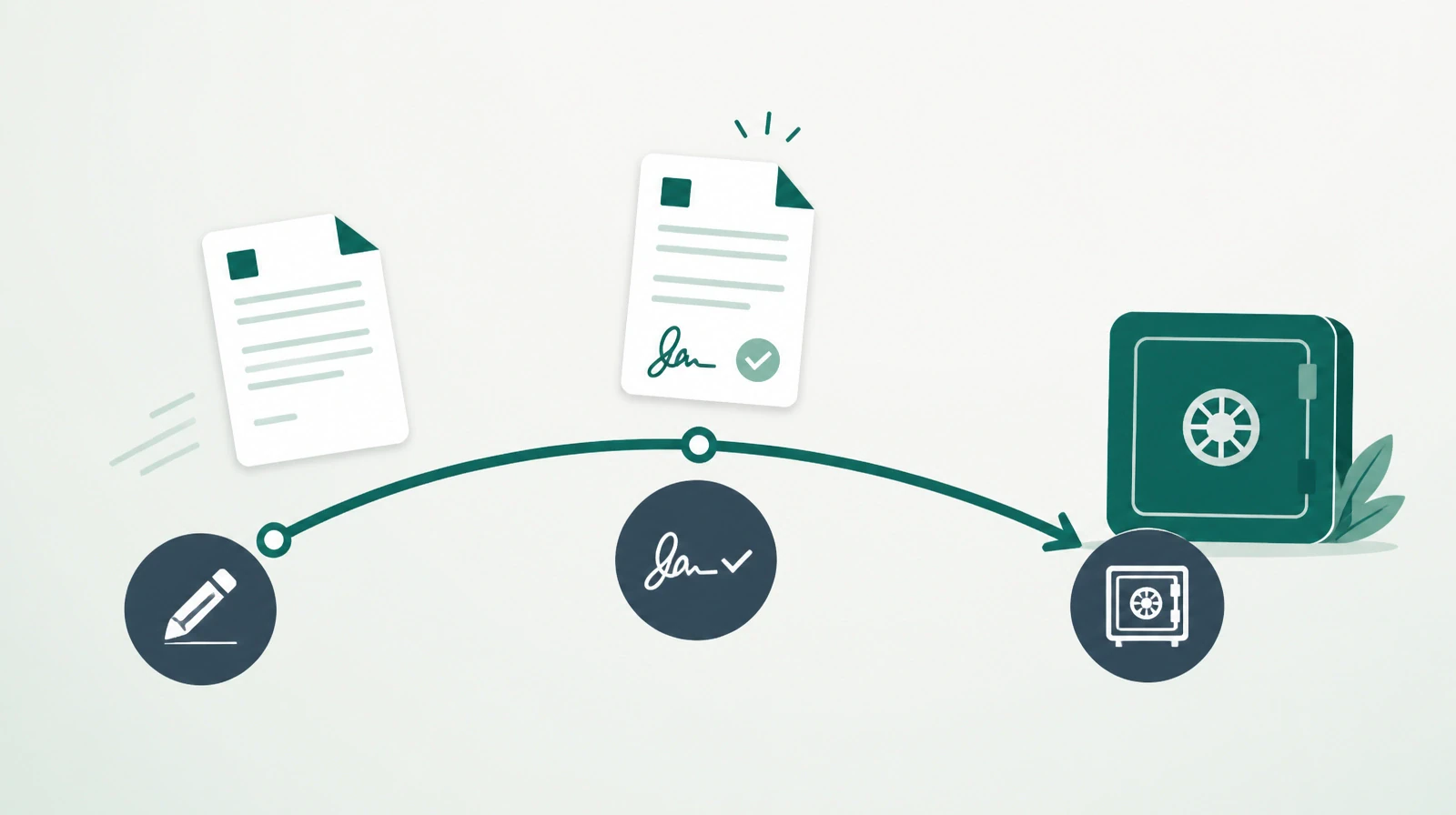
A contract is not a file that gets signed and stored; it is a document that moves through stages: its draft is written, reviewed, and amended, approved and signed, then enters into force until it expires or renews. Each stage produces a version, an owner, and a date. When these stages are managed by email and shared folders, the trail is lost among the copies until "which version is final?" becomes a daily question.
Where traditional contract management breaks down
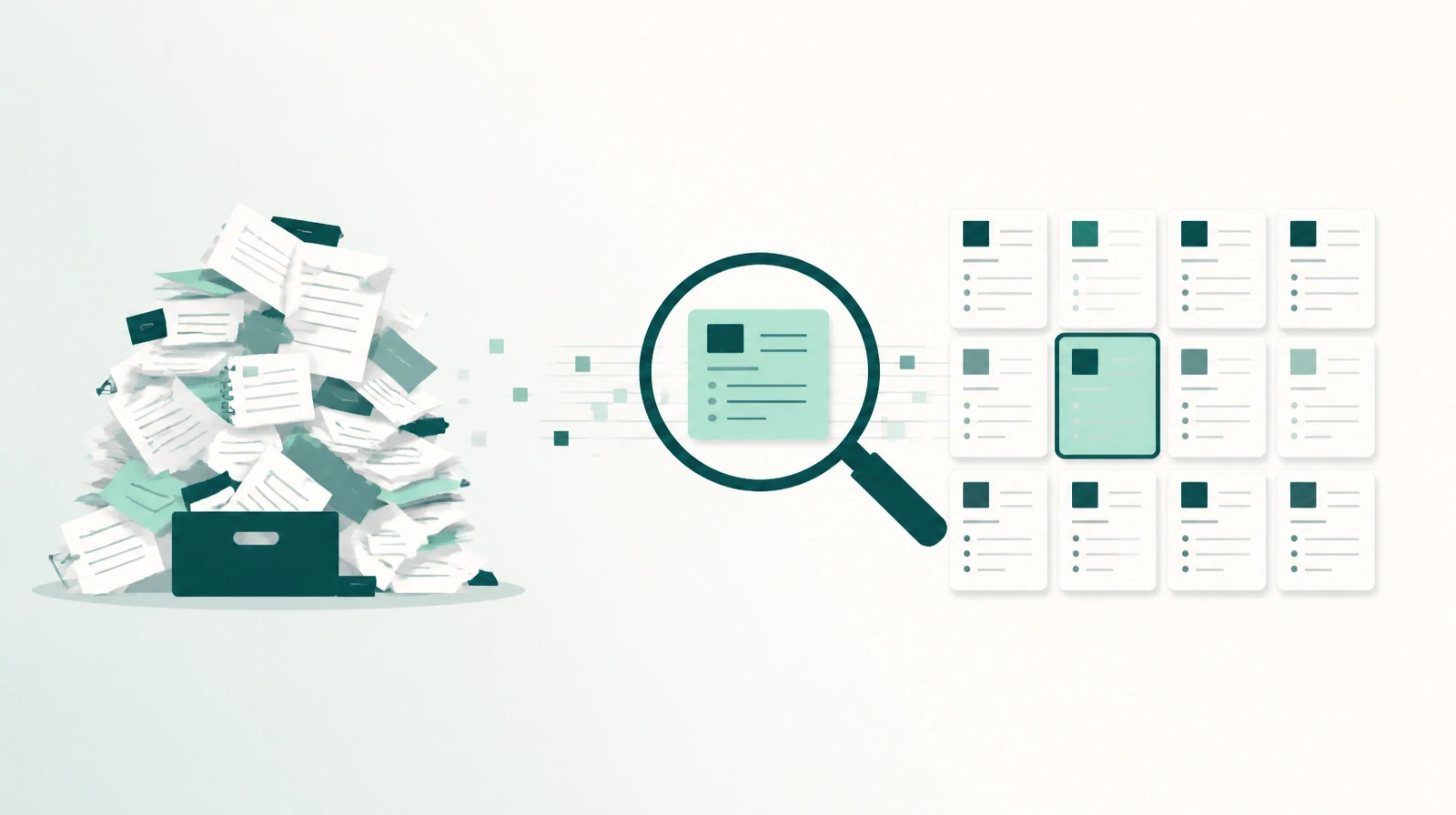
The first problem is version sprawl. The draft passes between reviewers, each returning edits in a separate file, and merging them and identifying the latest becomes manual, error-prone work. Who actually reviewed it? Who approved the version that was signed? The answer is scattered across back-and-forth messages.
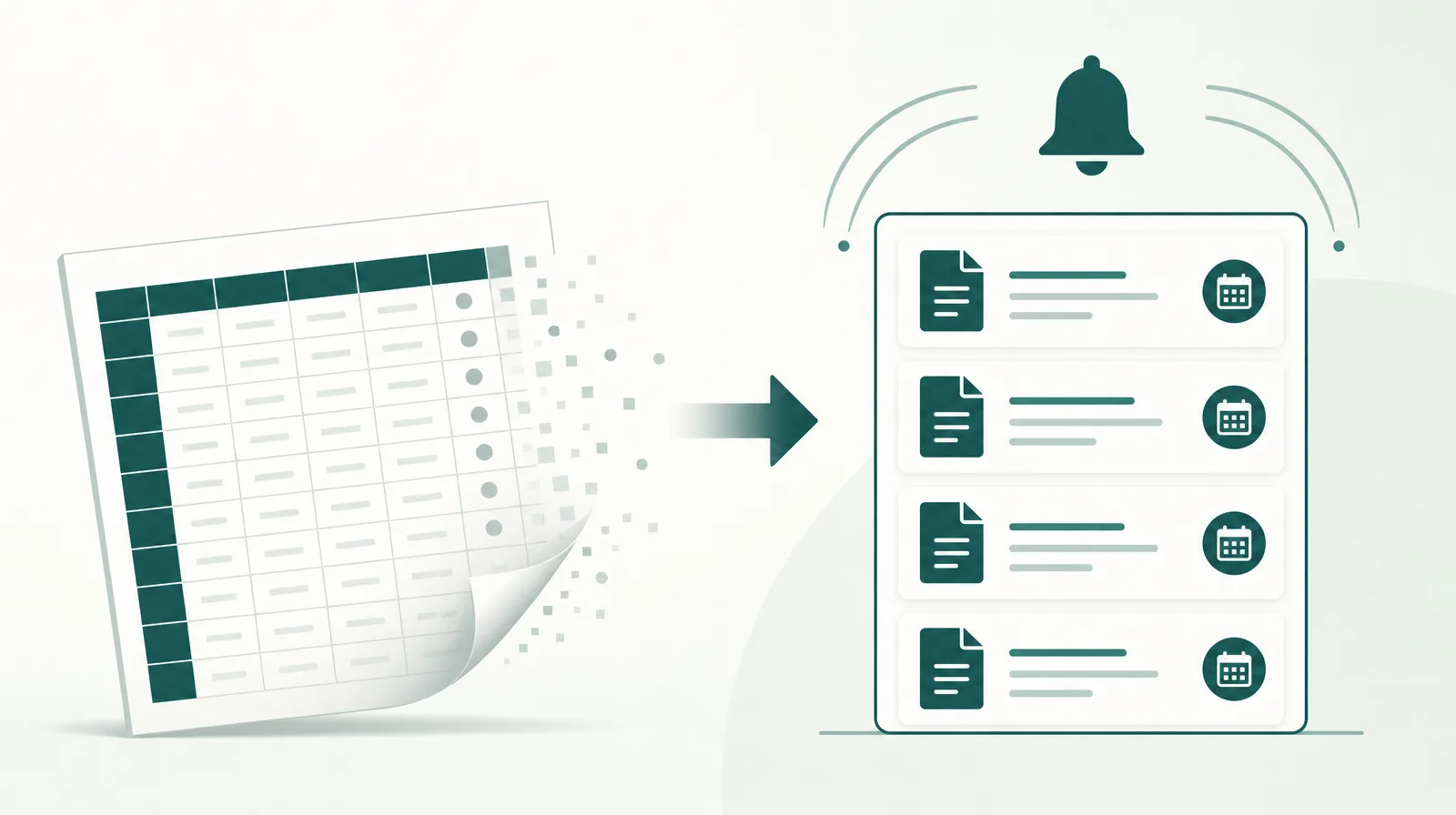
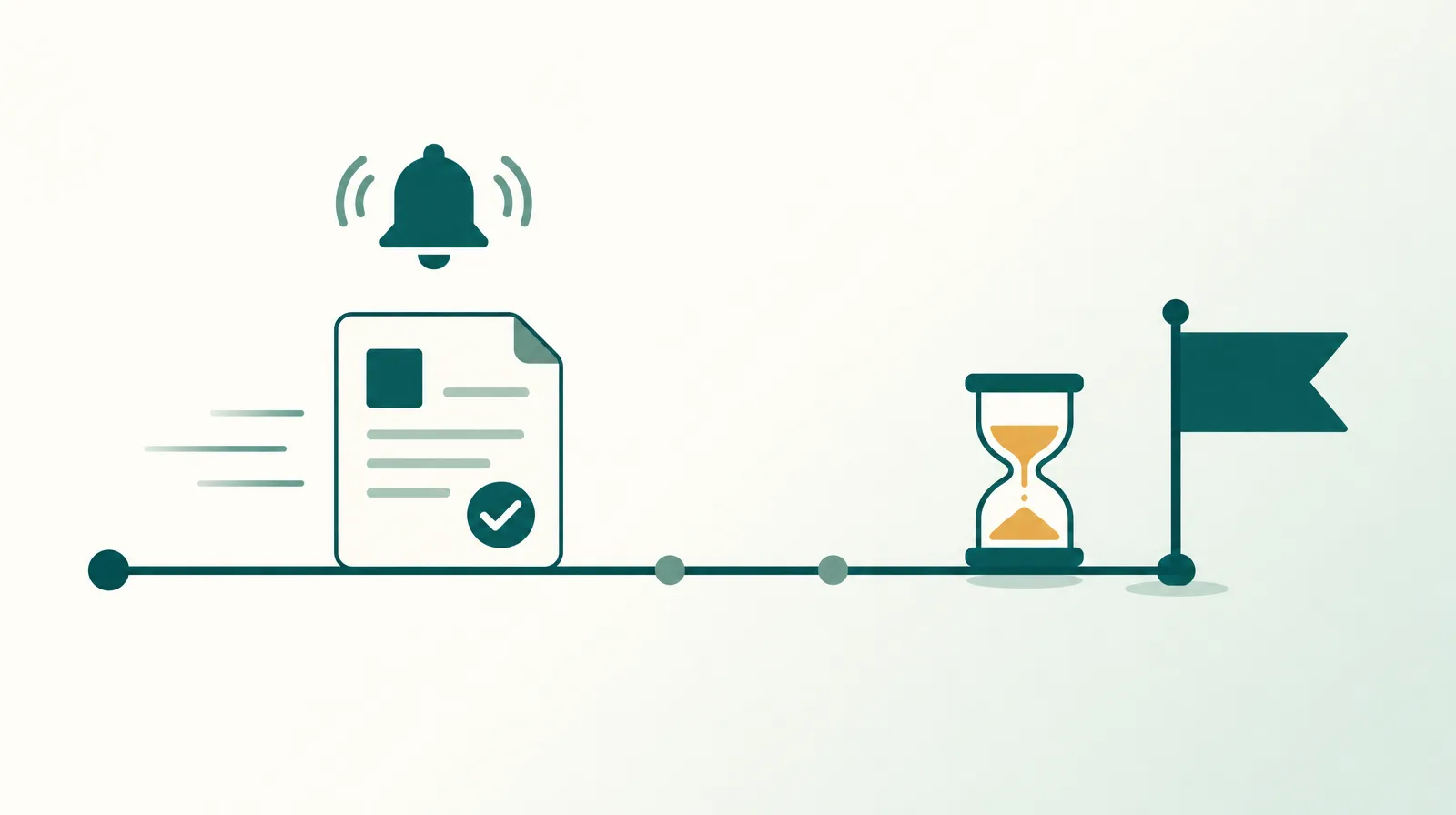
The second problem is more serious: dates. A contract in force carries renewal, expiry, and advance-notice dates. When no system tracks them, they pass in silence until everyone is surprised by a contract that expired without renewal, or one that auto-renewed on terms no one wanted anymore.
The contract as a lifecycle
A document and contract management system treats a contract as a lifecycle, not a static file. The final version is clearly defined, and the date of every edit and approval is recorded, so the argument over which version is authoritative ends. As a renewal or expiry date approaches, the system gives advance notice rather than leaving the date to memory.
The deeper effect is that the contract becomes reviewable at any moment: who drafted it, who reviewed it, when it took effect, and where it stands today in its cycle. That is what turns the archive from a graveyard of files into a source you can rely on during an audit or a dispute.
Protecting the document while it travels
A contract under review passes through several hands, and every pass over email is a chance for it to leak. When the document stays inside a system that governs who opens and shares it and logs every access, sharing moves from blind trust in email to defined, reviewable permissions. We covered this dimension at length in when the archive becomes searchable.
The practical step
Start by asking your legal team: how many of our contracts have a renewal date approaching this quarter, and who is tracking them? If the answer is not ready, the problem is not the diligence of individuals but the absence of a clear lifecycle managed inside one system.
Request a demo and we will walk through your own contract cycle.